
Hi, I'm Taleena.
Founder of Syqei. Computer Science and Cybersecurity student at UWA. Mentor to high school students across Western Australia.
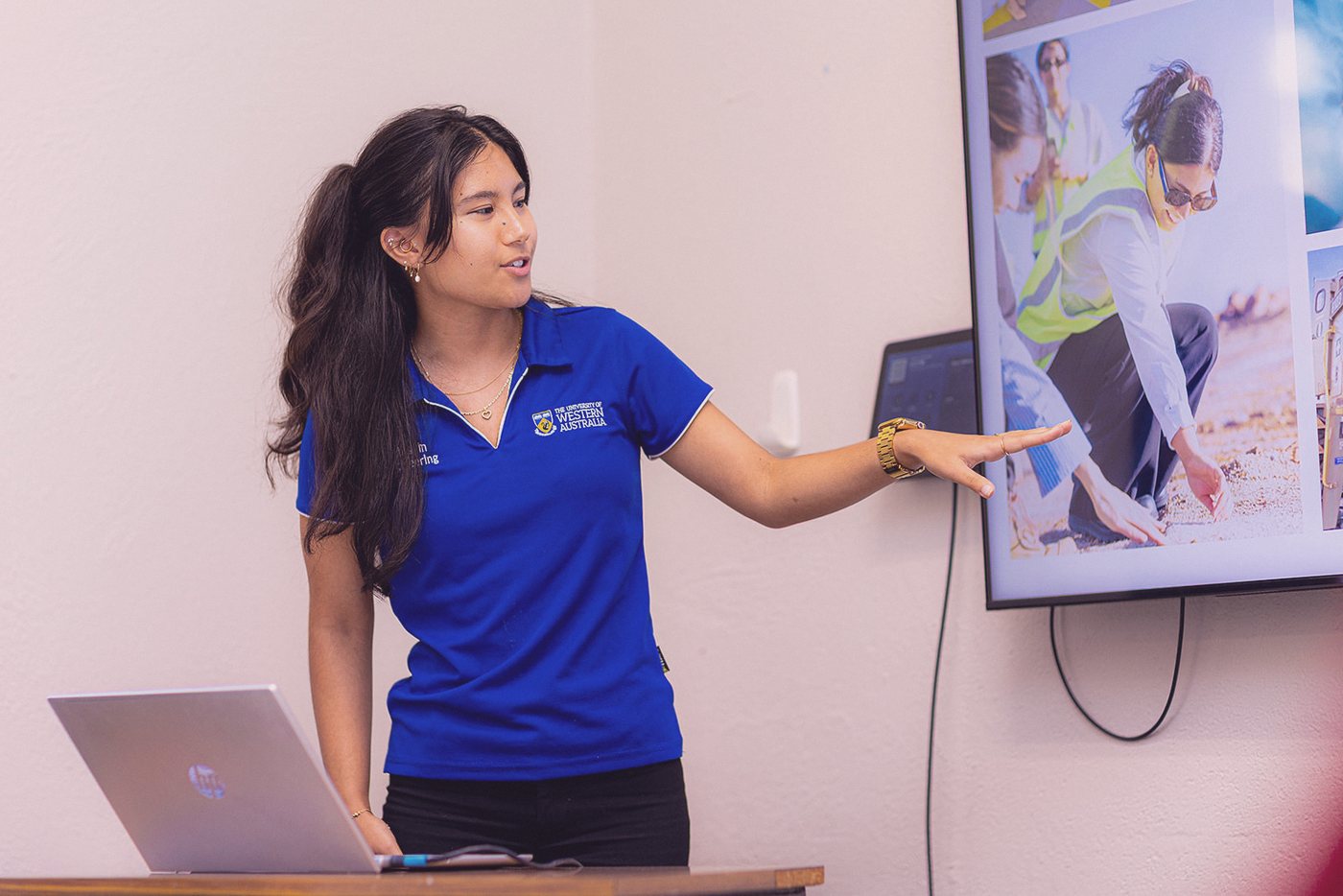
Syqei at a glance
- Founder
- Taleena Watts. Computer Science and Cybersecurity, The University of Western Australia.
- Education experience
- Mentoring and outreach with high school students across metro and regional WA.
- Research collaborators
- Dr Jennifer Kelley and Dr Annie Jessop.
- Product evidence
- First pilot with 52 Year 9 students. Read the results.
- Support
- Part of the UWA Venture incubator program in 2026.
- Privacy by design
- No student accounts. Student work stays on their own device.
How it started
I have loved building technology since I was at school. But the parts of tech that stayed with me were never the tutorials. They were the moments when I got to use real tools on a real problem and see where those skills could lead.
I grew up in regional Western Australia. For a lot of students there, and everywhere, it is hard to find an experience that connects technology to something bigger than another assignment on a screen.
Meanwhile, some of the most exciting technology in the world is being used by researchers down the road. Computer vision, 3D, data and AI, used to answer questions nobody has answered yet.
What we're building
Syqei turns that research into technology missions for secondary schools. Each mission takes students inside a real research problem, puts the tools in their hands, and ends with something they made and the careers behind it.
Missions run in one lesson, in the browser, with no logins. Every one comes with a teacher guide, so any teacher can run it without a tech background.
Why Syqei

Syqei is pronounced psy-key. The name comes from Psyche, an Ancient Greek word tied to both the soul and the butterfly.
Syqei is designed so students finish a lesson having used a technology they may only have heard about before.
Research collaborators
Mission 001 is built from published research into how the moth Eudocima salaminia paints a flat wing to look three dimensional, and how that fools computer vision.
- Dr Jennifer Kelley, The University of Western Australia. Animal camouflage and visual perception.
- Dr Annie Jessop. Biophotonics. How the structure of living things makes colour and light.
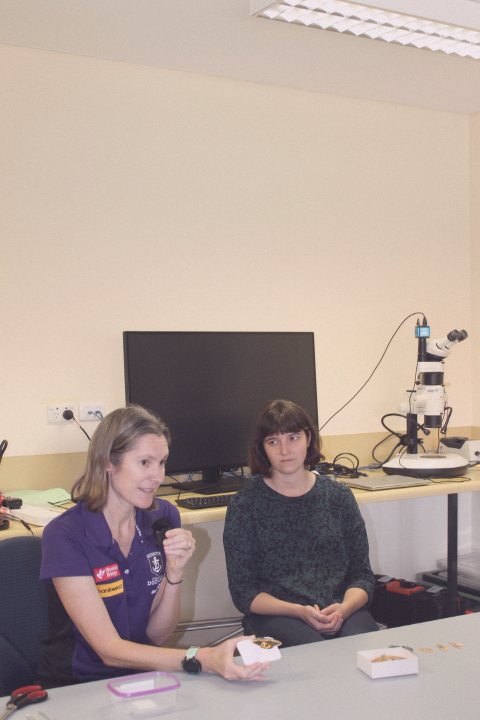
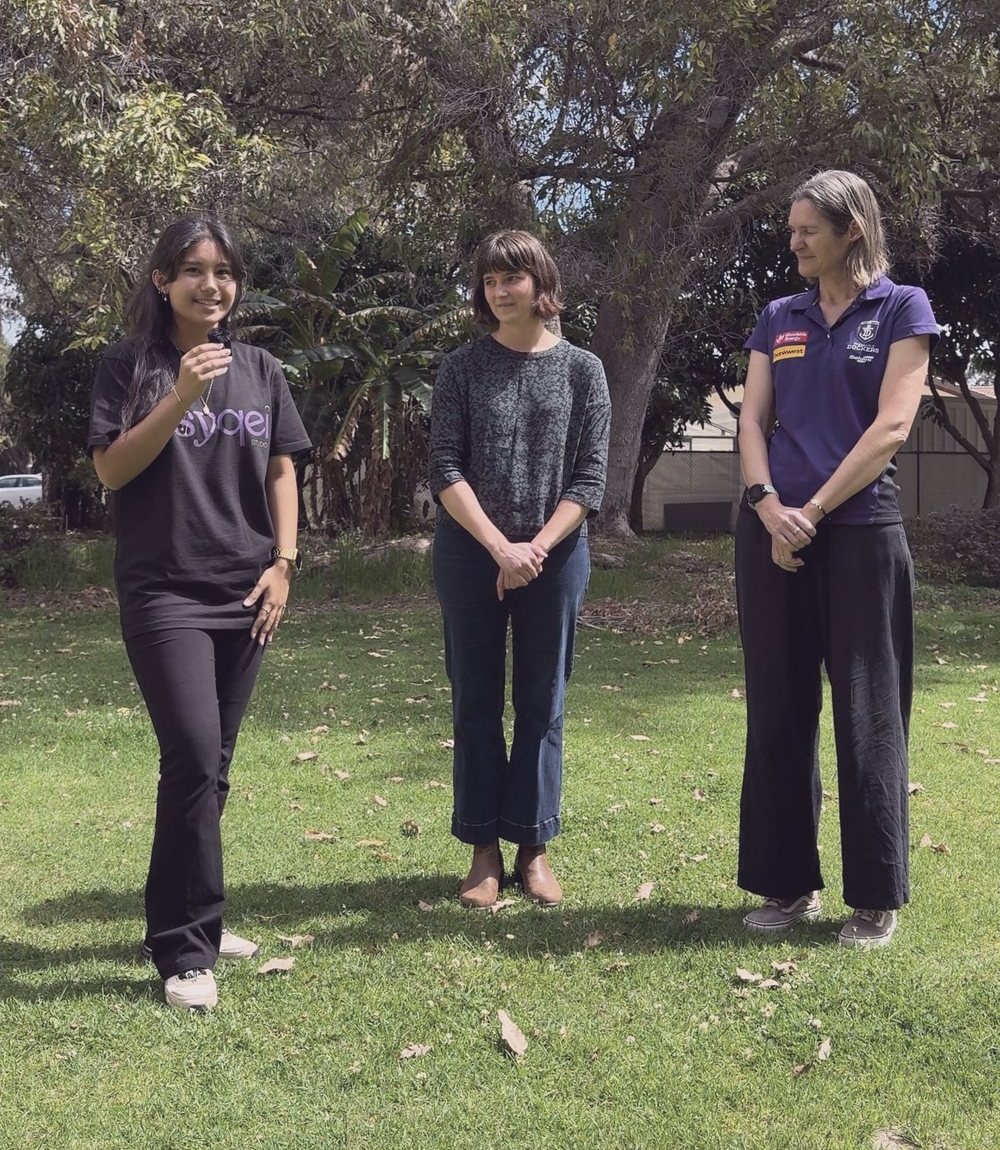
Jospin, Porter, Boussaid, Bennamoun and Kelley (2025). Reconstructing illusory camouflage patterns on moth wings using computer vision. Journal of the Royal Society Interface 22(225).
Are you a researcher? We turn published research into missions. It takes about an hour of your time. A short interview, a fact check and your approval on anything that uses your name. Propose a mission.
Making it happen
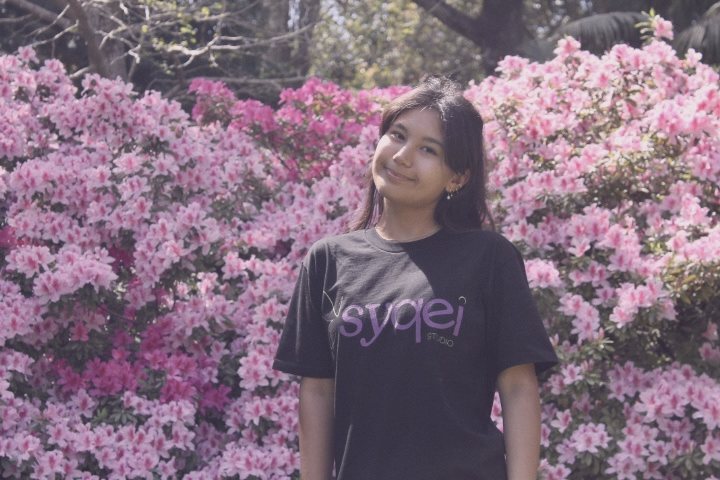
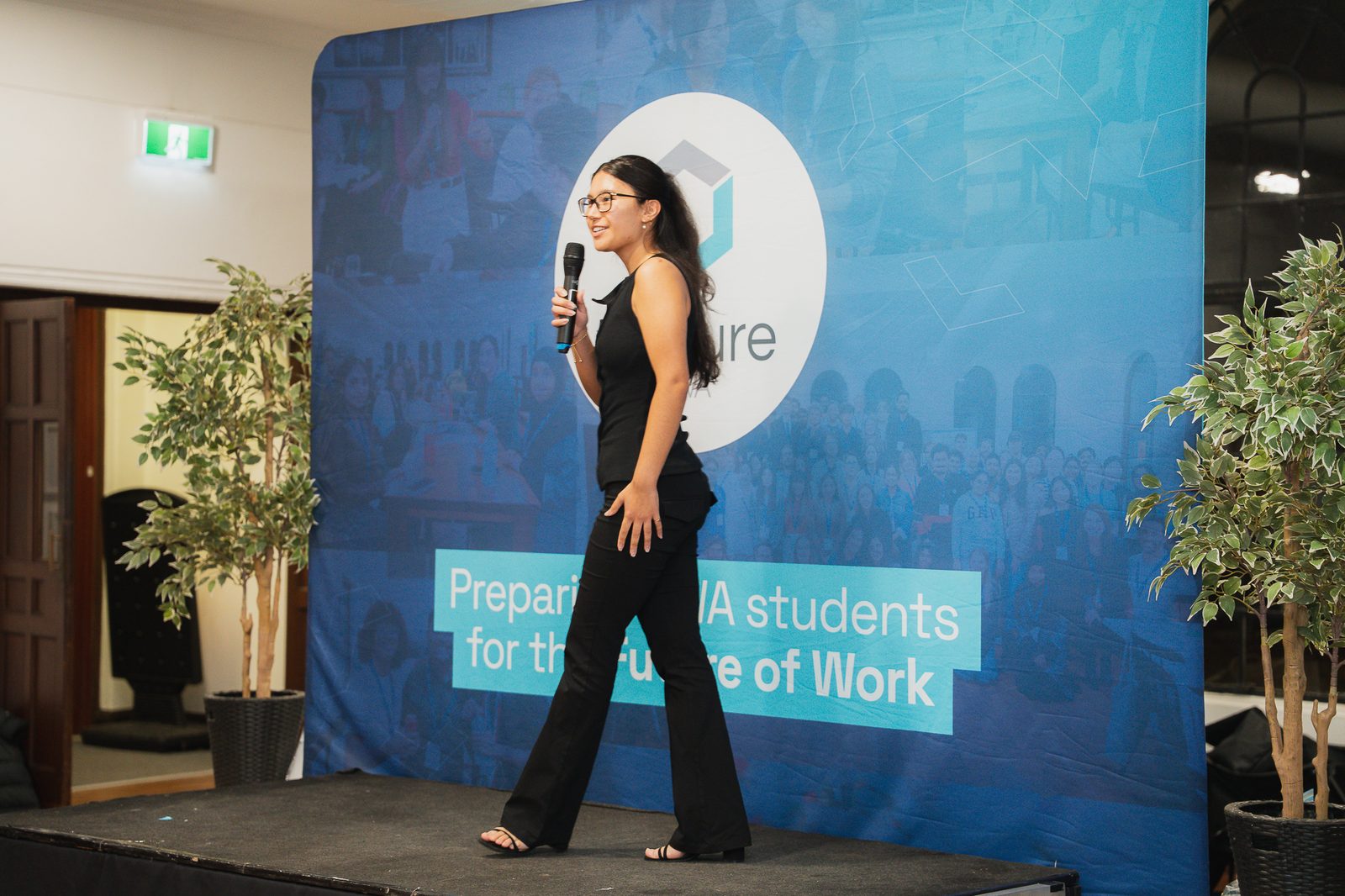
Alongside my studies, a lot of my energy goes into helping more students see a place for themselves in technology. I have mentored high school and primary school students across metro and regional WA and interstate, and spoken on panels about what a path into tech and science can actually look like.