
SQ-001 Research file
The moth that fools a computer.
Mission 001 is built from real research at The University of Western Australia. Here's what the scientists found, and how students get to test it themselves.
A flat wing that looks curved
The fruit-piercing moth Eudocima salaminia rests with its wings flat. To a bird, and to us, the wings look like a curled, three dimensional leaf. That illusion keeps it alive.
A team at UWA asked a new question. Does the illusion fool computers too? They pointed computer vision at the wings and asked it to rebuild their 3D shape.
It was fooled. The algorithms rebuilt curves and bumps that weren't there, just like our eyes do.
How the trick works
A second study looked closer, at a related moth called Eudocima aurantia. Its wing scales carry tiny reflecting structures. They throw light the way a smooth, curved leaf would. So the shine itself is part of the illusion.
See like the computer.
There's a moth hiding on this bark. Look through the lens to see what a computer vision model sees. This is the same scene generator students use in Mission 001.
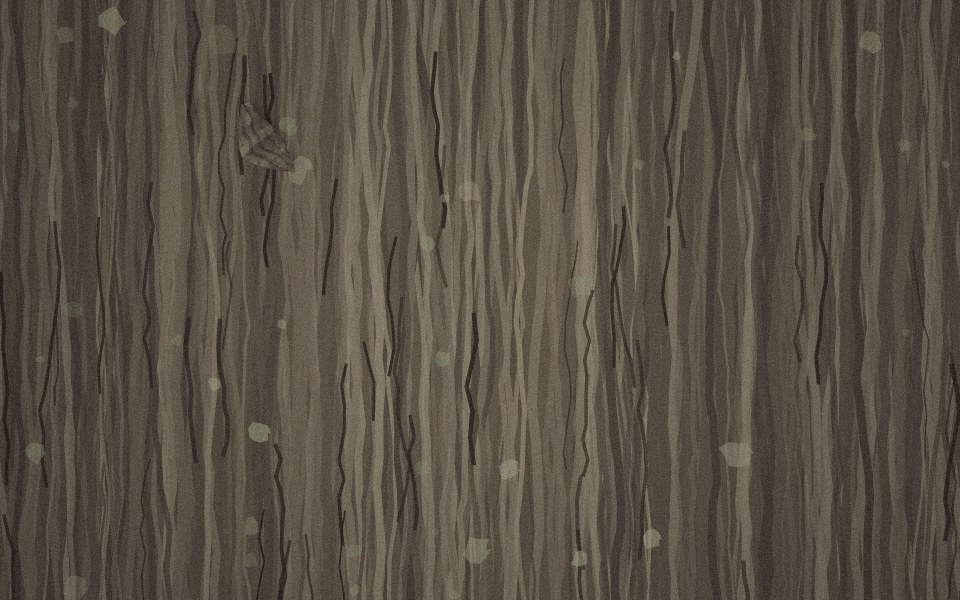
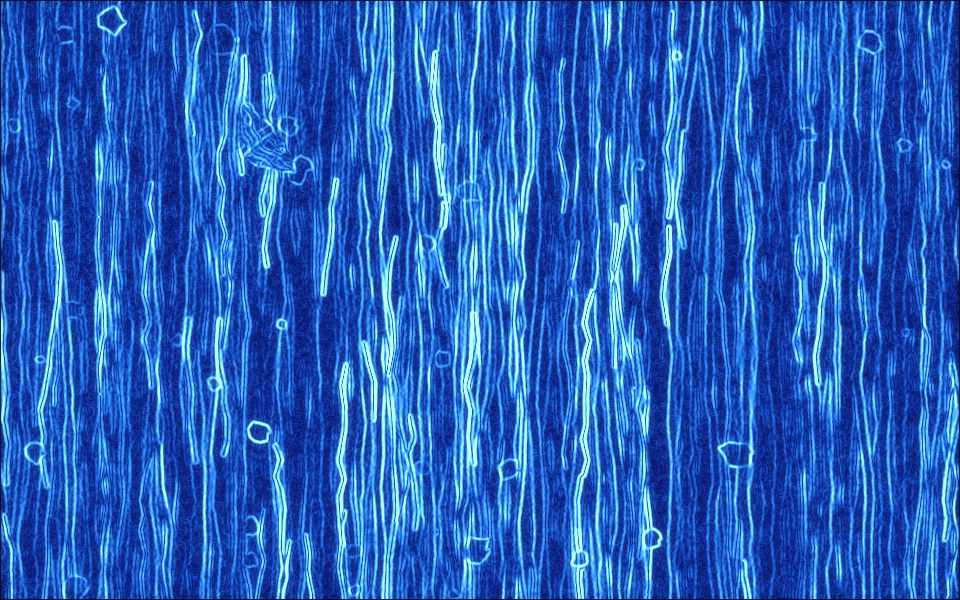
Move your pointer or finger over the bark. On a keyboard, focus the image and use the arrow keys. A computer doesn't see bark. It sees edges and the direction of grain. The moth's grain runs the wrong way, and that gives it away.
How students test it.
In Mission 001, students don't just read about the finding. They run their own version of the experiment.
Find the moth
Students hunt for camouflaged moths, then race a detector on the same images.
See the illusion
They spin a wing in 3D and watch the curve disappear side on.
Fool the machine
They paint a flat wing that a depth estimator reads as curved.
Meet the people
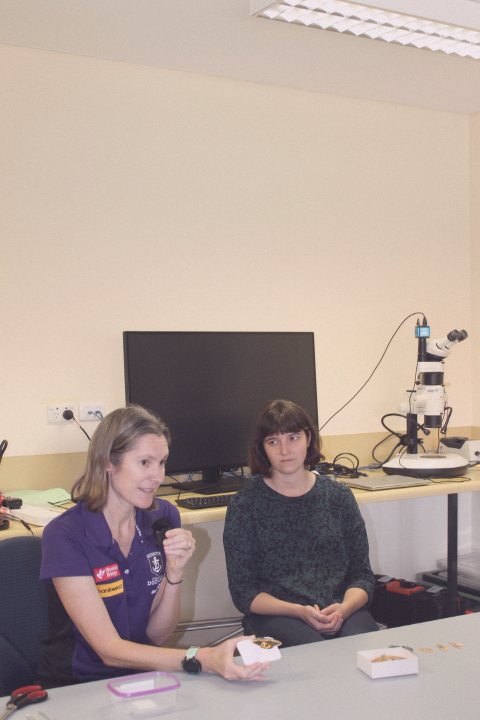
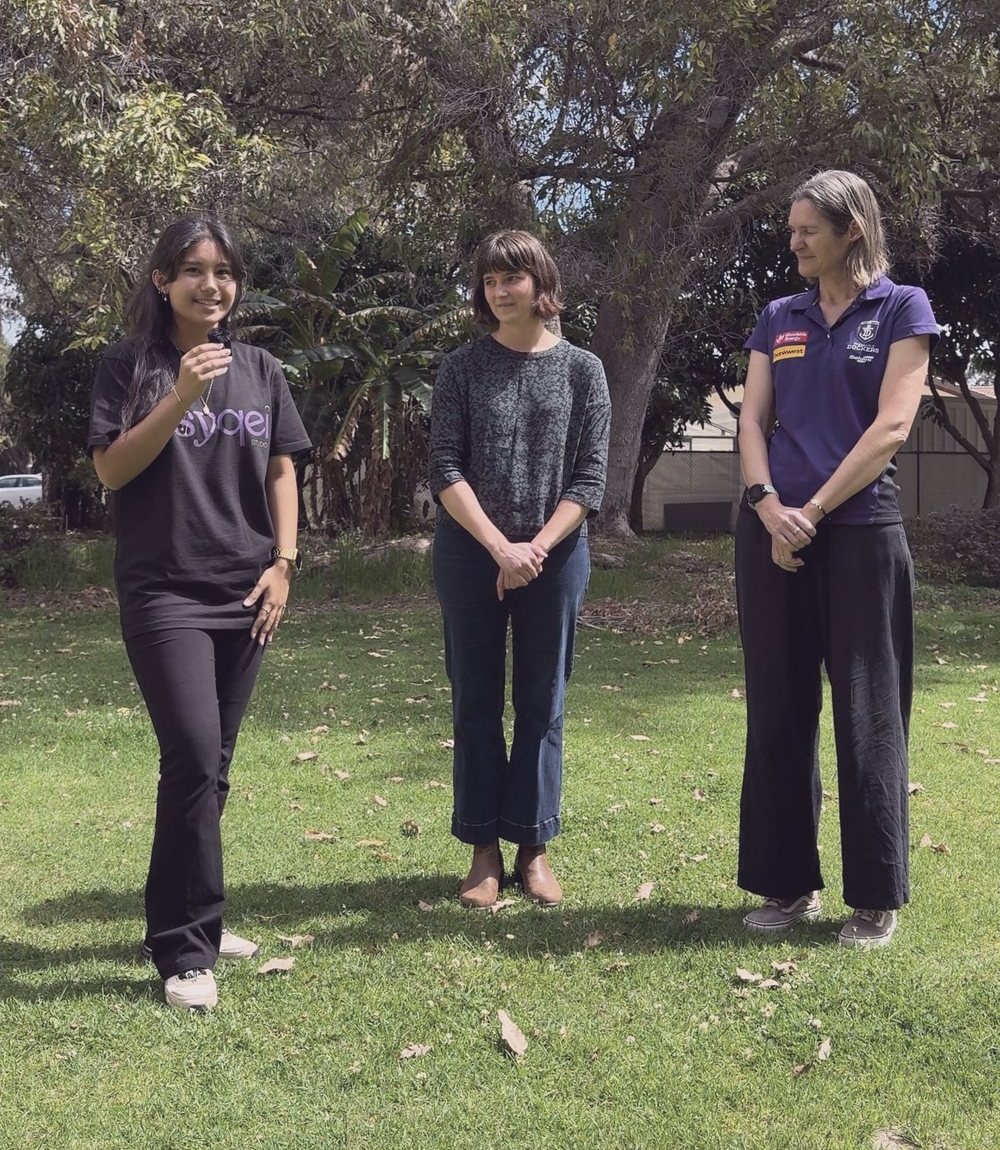
The researchers introduce the question, and the careers behind it.
The papers
Reconstructing illusory camouflage patterns on moth wings using computer vision
Jospin, Porter, Boussaid, Bennamoun and Kelley. Journal of the Royal Society Interface 22(225), 2025.
A leaf-mimicking moth uses nanostructures to create 3D leaf shape appearance
Kelley, Jessop and colleagues. Current Biology, 2025.
The researchers
- Dr Jennifer Kelley, The University of Western Australia. Animal camouflage and visual perception.
- Dr Annie Jessop. Biophotonics. How the structure of living things makes colour and light.
Mission 001 simplifies the research for a 60 minute lesson. The scene generator and detector are teaching versions built by Syqei, not the research team's models.
Are you a researcher? We turn published research into missions. It takes about an hour of your time. Propose a mission.
For researchers
Propose a mission.
Is there a question in your research that a 15 year old could investigate? We turn published research into missions for secondary schools.
- About an hour of your time. A short interview and a fact check.
- You approve anything that uses your name or your images.
- We do the translation, the design and the classroom side.
Thank you. Taleena will be in touch.